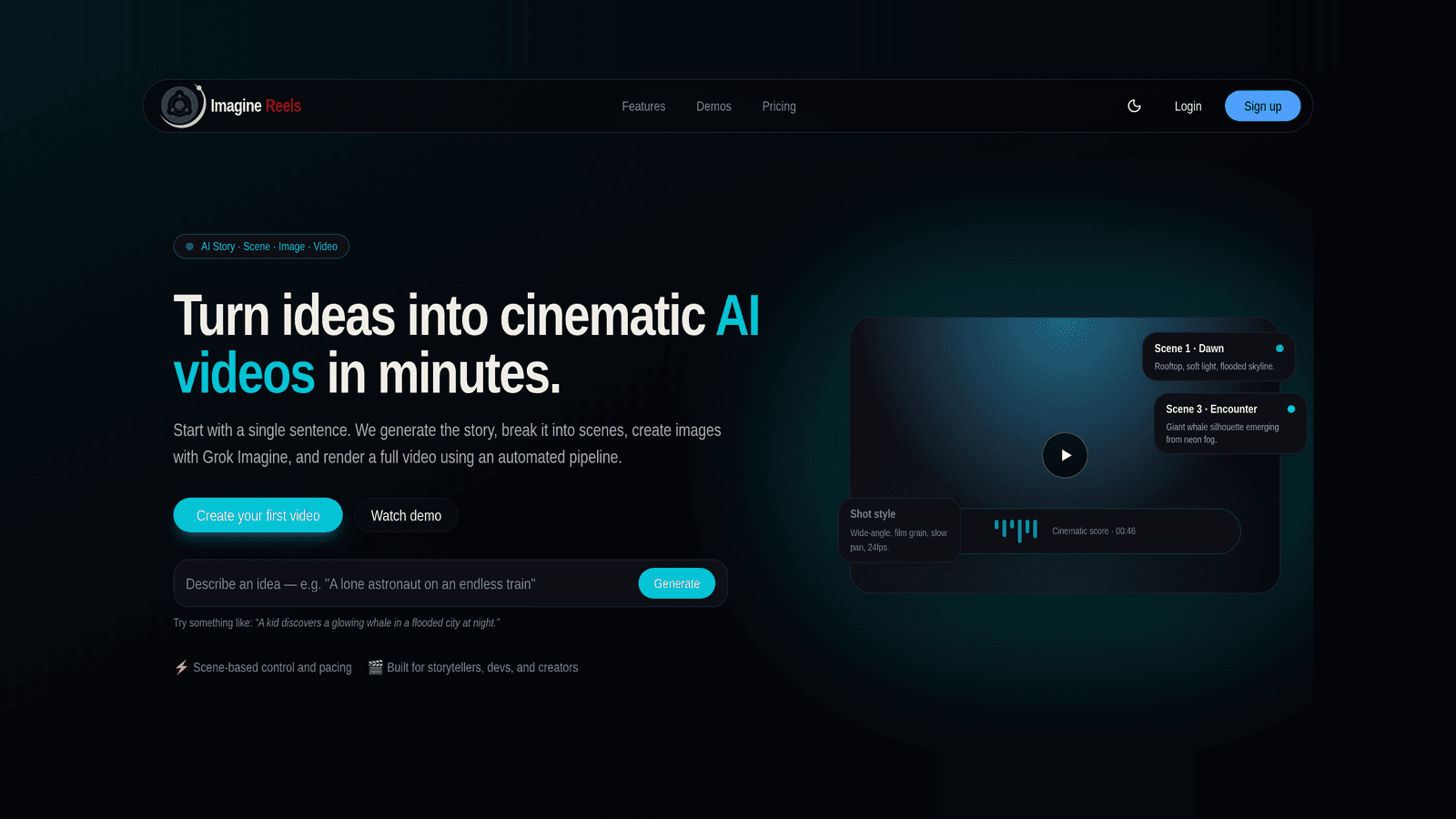
Cintegrate
An AI-assisted video creation platform that turns a story idea into structured scenes, narration, and video output through one pipeline.
ReactTypeScriptRedux ToolkitNode.jsExpressMongoDB
Project overview
What this project is and why it exists.
Built to treat story writing, scene planning, narration, and asset generation as one connected pipeline rather than separate disconnected tools.
Who it was built for
Creators who want to go from idea to structured video project without juggling separate scripting, scene, and voice tools.
Scope
SaaS platform covering authenticated project management, a story-to-scene pipeline, narration data, and media asset handling, with AI generation providers and rendering in active development.
Business challenge
Designing authenticated, multi-step project state that stays consistent across story, scene, and narration stages while leaving room for AI providers to plug into each stage later.
Solution approach
Implemented centralized API integration with credentialed requests, CSRF header injection, and automatic session-refresh retry on the frontend, paired with a feature-sliced backend where each domain (auth, projects, stories, scenes, narration, assets) owns its own routes, validation, and business logic.
Technical architecture
React 19 and TypeScript frontend with Redux Toolkit and RTK Query for state and API caching, route-level auth guards, and typed domain models for projects, stories, scenes, and narration. Modular Node.js/Express backend on MongoDB, with JWT auth, CSRF protection, and AWS S3-compatible storage for media assets.
Project gallery
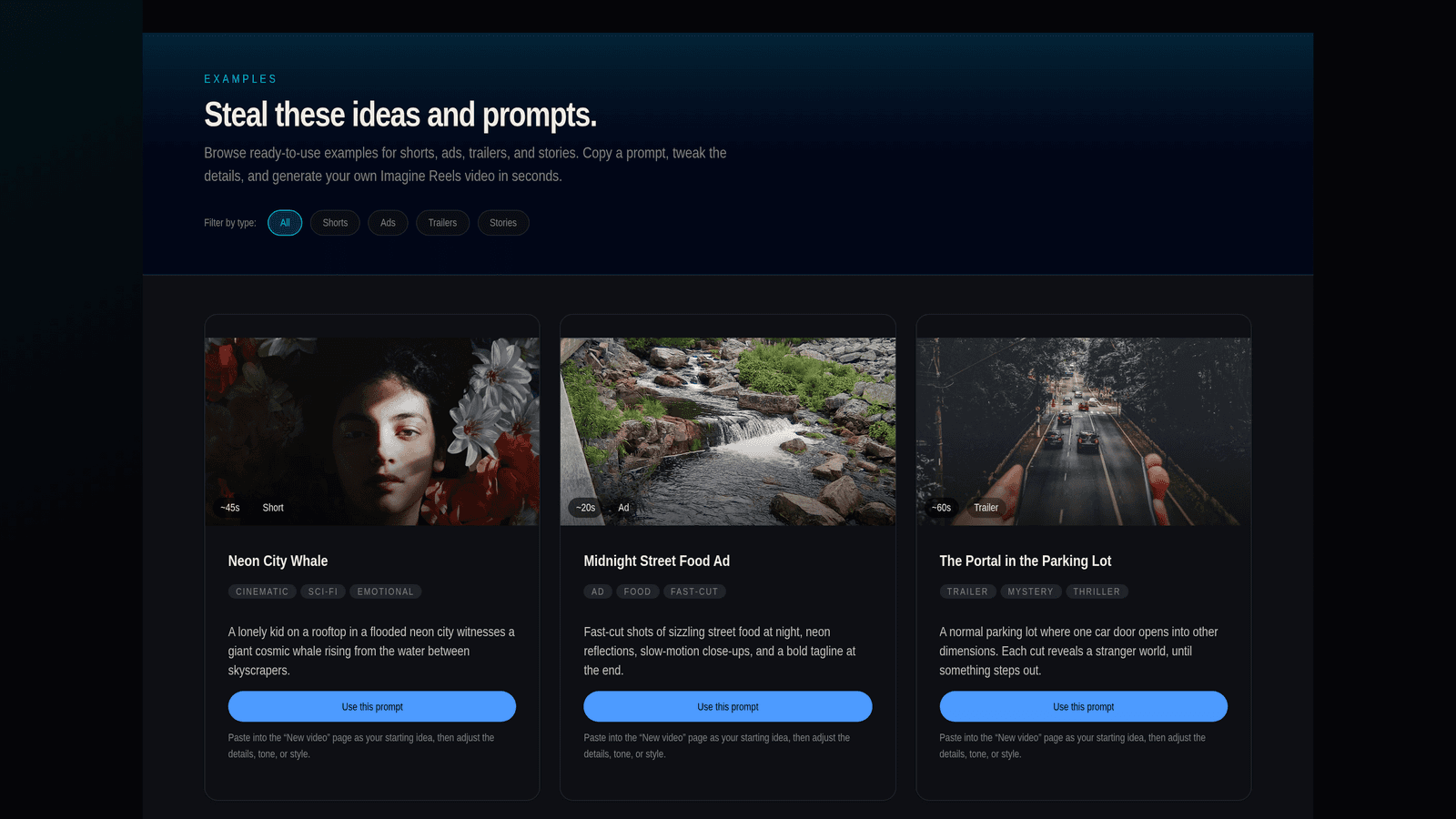
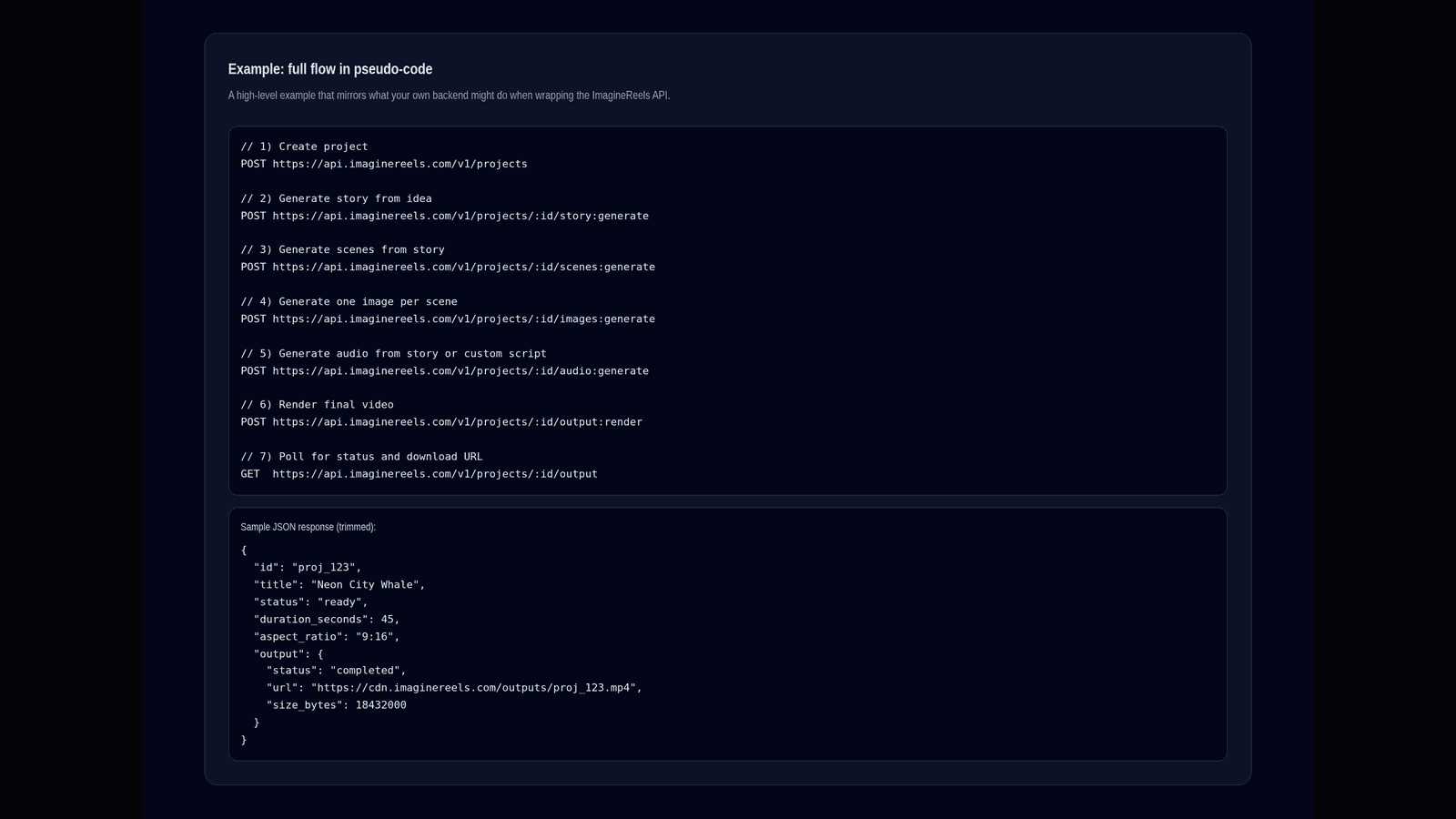
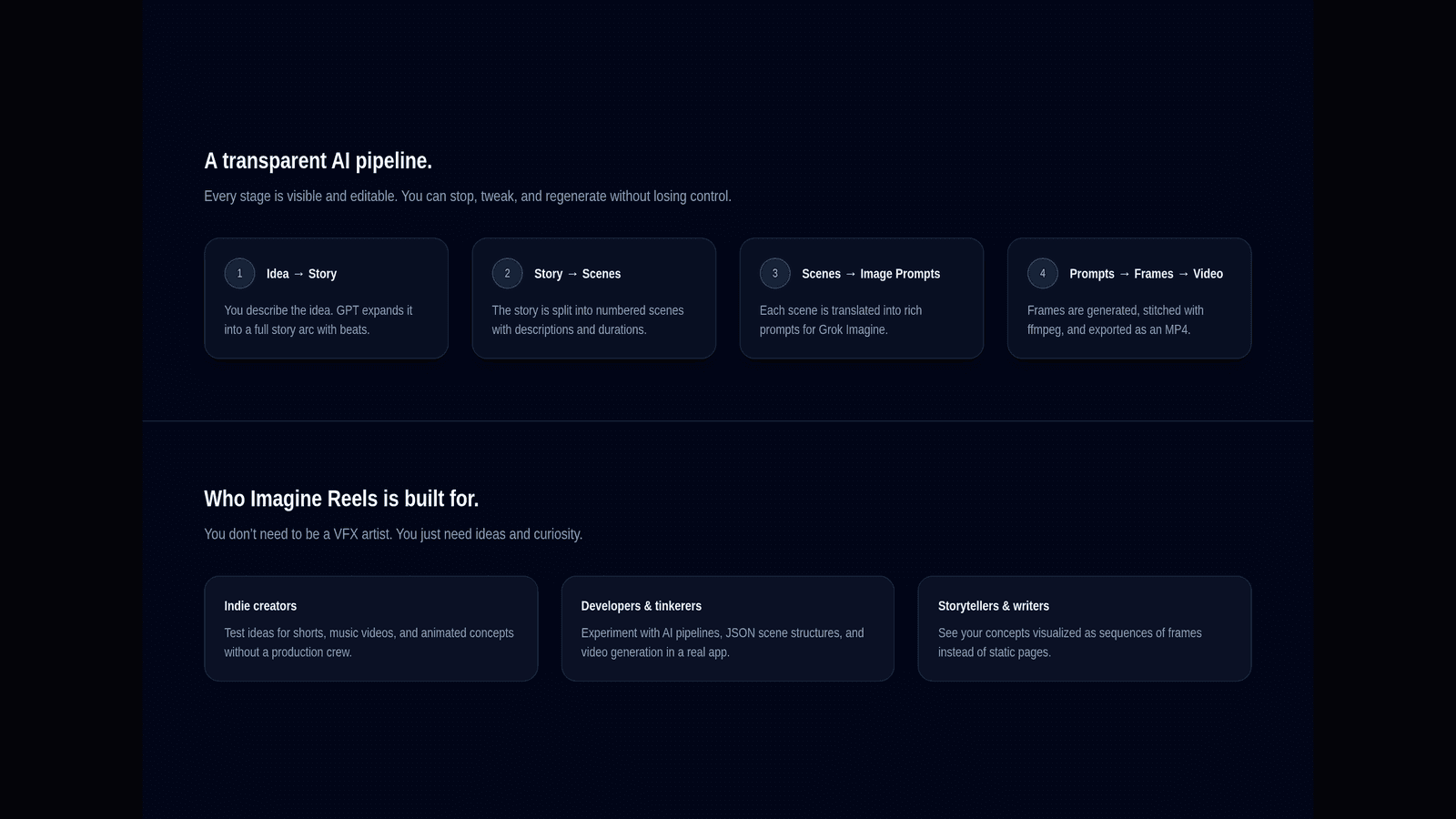
A closer look at Cintegrate.
Goals
- Build a connected pipeline from idea to structured video project
- Design a modular backend that can plug in new AI providers without rework
- Support multi-project creator workflows with credits and plan infrastructure
Constraints
- Currently in beta: AI generation providers and the rendering pipeline are still in active development
- Needs typed, resilient contracts between frontend and backend as new pipeline stages are added
Services delivered
- Frontend architecture
- Backend API and data modeling
- Authentication and session handling
- Media asset and narration data design
Key features
- Story → scene → narration pipeline with step-by-step progression
- Authenticated multi-project workspace
- Media asset upload and management
- Credits and plan infrastructure for tiered usage
Technical highlights
- RTK Query API layer with automatic 401 refresh-session retry
- Modular backend architecture built for new AI provider integrations
- JWT auth with HTTP-only cookies and CSRF protection
- Typed domain modeling across projects, stories, scenes, and narration
Lessons learned
Getting the data model and auth layer right before adding AI generation makes it possible to plug in new providers without re-architecting the product.
Services connected
Third-Party & API Integrations
Stop wasting time doing manual data entry. We connect your website, web applications, and backend tools using APIs and custom webhooks, so data moves automatically between systems instead of being re-entered by hand.
Solutions connected
Technologies connected
Case studies connected
Insights connected
Related insight articles are not linked yet.
Transparency note
This page intentionally avoids fabricated metrics, testimonials, and timeline claims. If data is private or unavailable, it is not guessed.
Need a similar outcome?
Tell us your current challenge and we will map a practical path using the most relevant services and implementation approach.